I work as a wedding rental coordinator around Tampa Bay, helping couples prepare reception spaces that feel welcoming, practical, and true to their personal style. I have worked with event plans ranging from intimate backyard dinners to larger celebrations in waterfront venues and hotel ballrooms. I usually begin with the venue layout and guest count because those two details influence nearly every rental decision that follows. My aim is to create a setting where the furniture supports the celebration instead of becoming an obstacle to it.
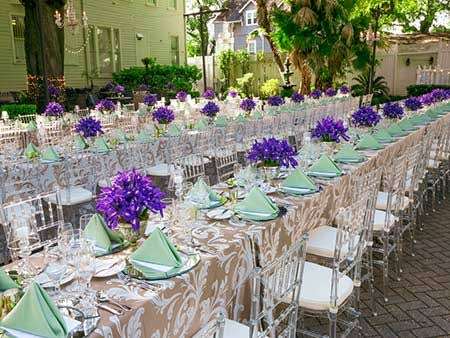
Building the Rental Plan Around the Venue
I start by understanding what the venue already provides and what the couple needs to bring in. Some reception spaces have attractive furniture and built-in lighting, while others are nearly empty and need tables, chairs, linens, and decorative features. I ask for the venue’s floor plan and check any restrictions on deliveries, tent installations, and hanging decorations before I prepare a detailed order. This early review helps me avoid choosing items that do not fit the space.
I pay close attention to the guest count when arranging furniture. For a wedding with 96 guests, I might consider twelve tables seating eight people each, then adjust the layout after checking the table dimensions and the room’s usable area. I leave space for the couple’s table, catering access, a dance floor, and clear routes between seating areas. A floor plan should work for real people moving around, not just look attractive on paper.
The venue’s location can influence my recommendations as well. A waterfront reception may need furniture suitable for outdoor use, while a private garden might require a covered dining area and a plan for moving equipment if rain arrives. Indoor venues can present different challenges, such as limited loading access or strict setup hours. I confirm those details before committing to a rental order.
Choosing a Rental Provider and Confirming Details
I compare rental companies by reviewing their available inventory, delivery terms, setup services, and communication. Couples researching wedding rentals Tampa can use the service to explore rental options for their planned celebration. I recommend confirming the availability of specific furniture and decor before building the event design around catalog photographs. A written estimate makes it easier to compare what each provider actually offers.
I ask for a clear breakdown of the charges rather than relying on a starting price. One company might include delivery and pickup, while another may charge separately for labor, late collection, or difficult access to the venue. I also check deposit requirements, cancellation terms, damage policies, and deadlines for changing quantities. These details help me understand the full cost before the couple commits.
I confirm the quantities and specifications of important items. If the order calls for 100 chairs, I want written confirmation that the selected style is available for the wedding date and that the delivery plan covers the full amount. I also ask what happens if a particular item becomes unavailable shortly before the event. Knowing the provider’s substitution policy gives me time to approve an alternative.
I pay attention to how the rental company handles questions. Clear answers about chair dimensions, linen sizes, table finishes, and setup requirements help me plan with fewer assumptions. If a couple wants a specific shade of ivory or a certain wood finish, I request photographs or samples when possible. A small difference in color or material can become obvious when dozens of items are arranged together.
Selecting Furniture That Suits the Guest Experience
I choose tables according to the style of the reception and the space available. Round tables can make it easier for small groups to talk, while long banquet tables can create a shared dining arrangement. For a reception with 80 guests, eight tables seating ten people might be a useful starting point, although the final arrangement depends on the furniture measurements and venue capacity. I never finalize the layout using guest numbers alone.
Chairs deserve careful consideration because guests may spend several hours sitting through dinner, speeches, and other parts of the reception. Chiavari chairs can complement a formal setting, while padded banquet chairs may be a practical choice for a relaxed celebration. I look at the frame color, seat comfort, and overall size before deciding which style belongs in the plan. I also check that the chairs suit the surface where they will be placed.
I leave room for guests to move naturally. A tight arrangement can make it difficult to pull chairs away from tables or allow servers to carry food without interrupting conversations. I review the routes leading to entrances, restrooms, the bar, and the dance floor before approving the layout. For larger weddings, I also consider where guests with mobility needs will sit and how they will reach the main areas.
I sometimes add a small lounge area for guests who want a break from the main reception. A few sofas or comfortable chairs near the edge of the room can provide a quiet place to talk without leaving the celebration. I avoid placing these pieces in service corridors or directly beside speakers. Even a simple lounge arrangement can make a large venue feel more inviting.
Coordinating Linens, Centerpieces, and Decorative Details
I use table linens to connect the furniture with the wedding’s overall color scheme. Ivory cloths can suit a classic reception, while muted green or dusty blue may work with a garden-inspired design. I check the table dimensions before ordering linens because the fabric drop affects the finished appearance. If exact color matching matters, I ask to review a physical sample rather than relying entirely on a digital image.
Centerpieces should complement the tables without taking over the available space. Tall floral arrangements can create a strong visual feature in a spacious ballroom, but they may obstruct conversation at smaller tables. I often suggest lower arrangements when guests will be sharing food and talking across the table. The design needs to leave sufficient room for plates, glasses, and serving dishes.
I also consider how decorative items will look together. Matching table numbers, coordinated napkins, and a consistent finish on candle holders can create a polished appearance without requiring an elaborate installation. I avoid adding too many unrelated objects because they can make the tables feel crowded. I prefer a few details that have a clear purpose.
The ceremony area needs its own design plan. I may recommend a simple arch, a fabric backdrop, or a pair of decorative structures to frame the couple during the ceremony. Before selecting these pieces, I check the available dimensions and ask the venue about installation rules. For outdoor structures, I also confirm that the rental team can secure the equipment appropriately for the site conditions.
Planning Lighting for Day and Evening Events
I consider natural light first when deciding which lighting rentals a wedding needs. A daytime ceremony in an open garden may require little additional lighting, while an evening reception inside a ballroom could benefit from uplighting or decorative string lights. I ask when the ceremony and reception will take place so I can plan for changing light conditions. This helps me avoid paying for equipment that will have little effect during the event.
String lights can create a warm atmosphere over an outdoor dining area, provided the venue allows them and suitable support points are available. I confirm how the fixtures will be installed and whether the electrical supply can handle the proposed arrangement. Cables must be positioned away from walkways, serving areas, and places where guests may gather. I leave electrical installation to qualified people when the setup requires it.
I also think about how lighting will affect photographs. Bright colored lights can change the appearance of clothing, flowers, and table linens, so I discuss the desired effect with the couple and photographer. For a reception with a neutral color palette, warm white lighting may preserve the intended look more effectively than strong colored effects. I aim for lighting that adds atmosphere without making the space uncomfortable.
Preparing for Tampa’s Weather and Outdoor Conditions
I take weather planning seriously for outdoor weddings in the Tampa area. Heat, humidity, sudden showers, and strong breezes can affect guest comfort and the suitability of rental furniture. I ask the venue what indoor alternatives are available and how much notice is needed to change the setup. A backup plan should be realistic for the expected guest count.
Shade can make a daytime ceremony more comfortable. Depending on the venue, I may discuss a tent or covered seating area, but I confirm that the installation is permitted and appropriate for the site. Tents and large decorative structures need suitable anchoring and should be installed by a qualified crew. I do not rely on a lightweight canopy in an exposed area simply because it looks attractive.
I also ask which rental items can tolerate outdoor conditions. Some furniture, fabrics, and decorative pieces may require protection from moisture or direct sunlight. If the forecast becomes uncertain, I coordinate with the venue and rental provider to determine which items should be moved or covered. Clear responsibilities help the team respond without wasting time during setup.
For a summer wedding with 70 guests, I would consider the timing of the ceremony alongside seating, shade, and access to drinking water. I would also make sure guests have a comfortable place to wait before the ceremony begins. These decisions do not require an elaborate rental order, but they can improve the experience for everyone attending. I prefer to address comfort before adding decorative extras.
Keeping the Rental Budget Under Control
I begin with a budget for the essential furniture and services, including tables, chairs, linens, delivery, and setup where required. Once I know those costs, I compare optional items such as specialty seating, decorative backdrops, and additional lighting. I ask the couple which features matter most to them before suggesting ways to reduce the order. This keeps the spending focused on the parts of the event they value.
I compare package prices with itemized orders. A package for 100 guests may include decorations or furniture styles that do not suit the venue, while an individual order can offer more control over the final design. I check whether the package includes delivery, setup, and collection before deciding which option is better value. The number of included items matters less than whether those items are useful.
I leave some flexibility for guest-count changes and late adjustments. I ask the provider when the final quantities must be confirmed and whether extra chairs can be added close to the wedding date. I also check the fees for reducing an order after the deadline. These terms help me make realistic plans rather than promising changes that may not be possible.
A customer last spring wanted a refined reception look but needed to reduce several thousand dollars from the original budget. I would approach a similar situation by keeping the comfortable seating and coordinated dining setup while cutting back on decorative installations that were not essential. One well-designed backdrop and carefully chosen linens can create a clear visual theme without filling every corner with rented decor. I would rather protect the parts guests use most than spend the budget on features that receive little attention.
Managing Delivery, Setup, and Collection
I prepare a floor plan that shows where each major rental item should be placed. I identify the ceremony seating, reception tables, gift table, cake display, and any lounge furniture so the setup team has clear instructions. If the ceremony and reception take place in separate areas, I confirm whether chairs or other items need to be moved between locations. A written plan helps everyone understand the intended arrangement.
I confirm delivery times and venue access before the wedding week. Some properties allow rental crews to set up the previous afternoon, while others have limited hours on the event day. I coordinate the schedule with the florist, caterer, photographer, and entertainment team so they can work without blocking one another. Good timing is especially useful when several vendors need the same room.
I check the delivered items against the final order whenever the schedule permits. If the list includes 100 chairs, ten tables, and a ceremony arch, I verify the quantities and look for visible damage or missing equipment. I report any problems promptly and follow the provider’s process for documenting them. Keeping the final order nearby makes the check straightforward.
I confirm the collection plan before the celebration begins. I ask whether the rental company will retrieve the equipment that night or return the next morning, and I clarify who is responsible for stacking chairs and gathering linens. I also check whether the venue has a deadline for clearing the space. These final arrangements prevent confusion once the reception ends.
I approach wedding rentals as part of the guest experience rather than a separate decorating task. I begin with the venue’s practical needs, confirm the rental company’s terms, and choose pieces that support the couple’s preferred atmosphere. In Tampa, I also plan carefully for outdoor conditions and realistic delivery schedules. Those decisions give me a strong foundation for creating a celebration that feels personal and works well from the first arrival to the final farewell.
Leave a Reply